
Understanding the House Edge
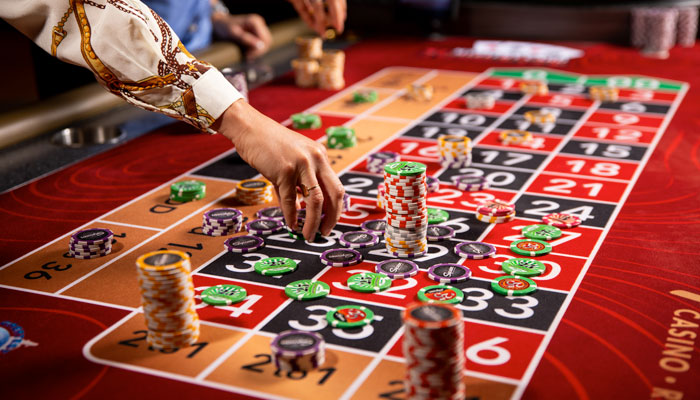
The concept of the house edge is fundamental to understanding how gambling works in casinos. The house edge refers to the mathematical advantage that the casino has over the players in any given game. This advantage ensures that, over time, the casino will always come out ahead financially. For example, in games like roulette, the house edge can vary depending on the type of bet placed, but generally, it hovers around 5.26% for American roulette. This means that for every $100 wagered, the casino expects to keep $5.26 in the long run, making an instant withdrawal casino especially appealing to many players looking to maximize their profits.
Different casino games come with various house edges, which players should carefully consider when choosing where to place their bets. For instance, in blackjack, players can reduce the house edge to less than 1% through strategic playing techniques like card counting. However, this requires skill and practice. Understanding the nuances of each game, along with the associated house edge, is essential for anyone looking to improve their chances of winning.
Moreover, the house edge is not just a static number; it can be influenced by factors such as game rules and player strategy. Games with more favorable rules for players, such as a dealer standing on soft 17 in blackjack, can significantly lower the house edge. By becoming educated about these elements, players can make more informed decisions and improve their overall gaming experience.
Can Players Overcome the House Edge?
The question of whether players can consistently overcome the house edge is intriguing and complex. While there are instances where players have managed to beat the odds temporarily, such as winning big on slot machines or roulette, the reality is that these successes often result from luck rather than skill. The inherent randomness of casino games means that while players can experience winning streaks, the house edge remains a formidable force that typically prevails in the long run.
Card counting is often touted as a strategy that can help players gain an advantage in games like blackjack. Although it is a legitimate technique that can lower the house edge, it is essential to note that it requires significant practice, discipline, and keen mathematical skills. Additionally, many casinos are vigilant in spotting card counters, often employing counter-strategies, including shuffling the deck more frequently or banning suspected players from the tables.
Moreover, betting systems like the Martingale strategy may seem attractive, hinting at a way to beat the house edge. However, these systems are fraught with risk and do not change the fundamental mathematics of the games. In reality, no betting system can overcome the statistical advantage that the house possesses, making it essential for players to approach gambling with caution and a clear understanding of the odds involved.
The Role of Skill and Strategy
While most casino games are designed with a built-in house edge, certain games allow for skill and strategy to improve a player’s chances. Poker, for instance, is a game where players compete against each other rather than the house, and skill can certainly lead to consistent winnings. Top players understand the importance of reading their opponents, managing their bankroll wisely, and applying strategies that maximize their winning potential.
In contrast to games like poker, more luck-driven games such as slots and roulette leave little room for skill or strategy. The outcomes of these games are purely random, and while players can choose games with a lower house edge, their long-term success will largely depend on chance. Recognizing which games rely on skill and which rely on luck can empower players to make choices that align with their gambling style and strategy.
Additionally, understanding game strategies can significantly enhance a player’s experience. For example, in video poker, employing the correct strategy can reduce the house edge to as low as 0.5%. Players can study strategy guides or use practice platforms to hone their skills, thereby enhancing their ability to make informed decisions during actual play. In this way, players can potentially extend their gameplay and improve their outcomes.
The Psychology of Gambling
The psychology of gambling plays a significant role in how players approach casino games and the house edge. Emotions can heavily influence gambling decisions, leading players to chase losses or place bets they would normally avoid. Understanding the psychological aspects of gambling can help players maintain discipline and manage their bankroll effectively. For example, setting loss limits or establishing a budget can prevent impulsive decisions that lead to significant losses.
Additionally, the thrill of the game can cloud judgment. Casinos often employ various design elements, such as bright lights, sounds, and free drinks, to create an intoxicating environment that encourages players to extend their stay and betting. Recognizing these tactics can be a key factor in maintaining control and making rational decisions when gambling.
Moreover, developing a balanced mindset when approaching gambling can help players enjoy the experience more fully. Instead of fixating solely on winning, they may find more enjoyment in the social and entertainment aspects of the games. This shift in perspective can reduce the pressures associated with the house edge, allowing players to engage with the experience more positively.
Conclusion and Insights on Responsible Gaming
Ultimately, while players may find ways to minimize the impact of the house edge in specific situations, it is crucial to understand that the odds are generally in favor of the casino. The most successful gamblers are those who approach gaming with a clear strategy, are aware of their limits, and engage in responsible gambling practices. Setting financial boundaries before playing and sticking to them can preserve the entertainment value of gaming without incurring significant financial stress.
Additionally, staying informed about the nature of casino games, understanding the impact of skill versus luck, and recognizing the psychological factors at play can enhance a player’s approach to gambling. Players can enjoy a more fulfilling experience by focusing on personal strategies without falling prey to the pitfalls of excessive betting or emotional decision-making.
For those seeking a well-informed and responsible approach to gaming, our website offers valuable resources and insights. We are committed to providing information that empowers players to make informed decisions, minimizing risks while maximizing enjoyment in the casino world. Whether you are a beginner or a seasoned player, our content is designed to support your gaming journey sensibly and responsibly.